
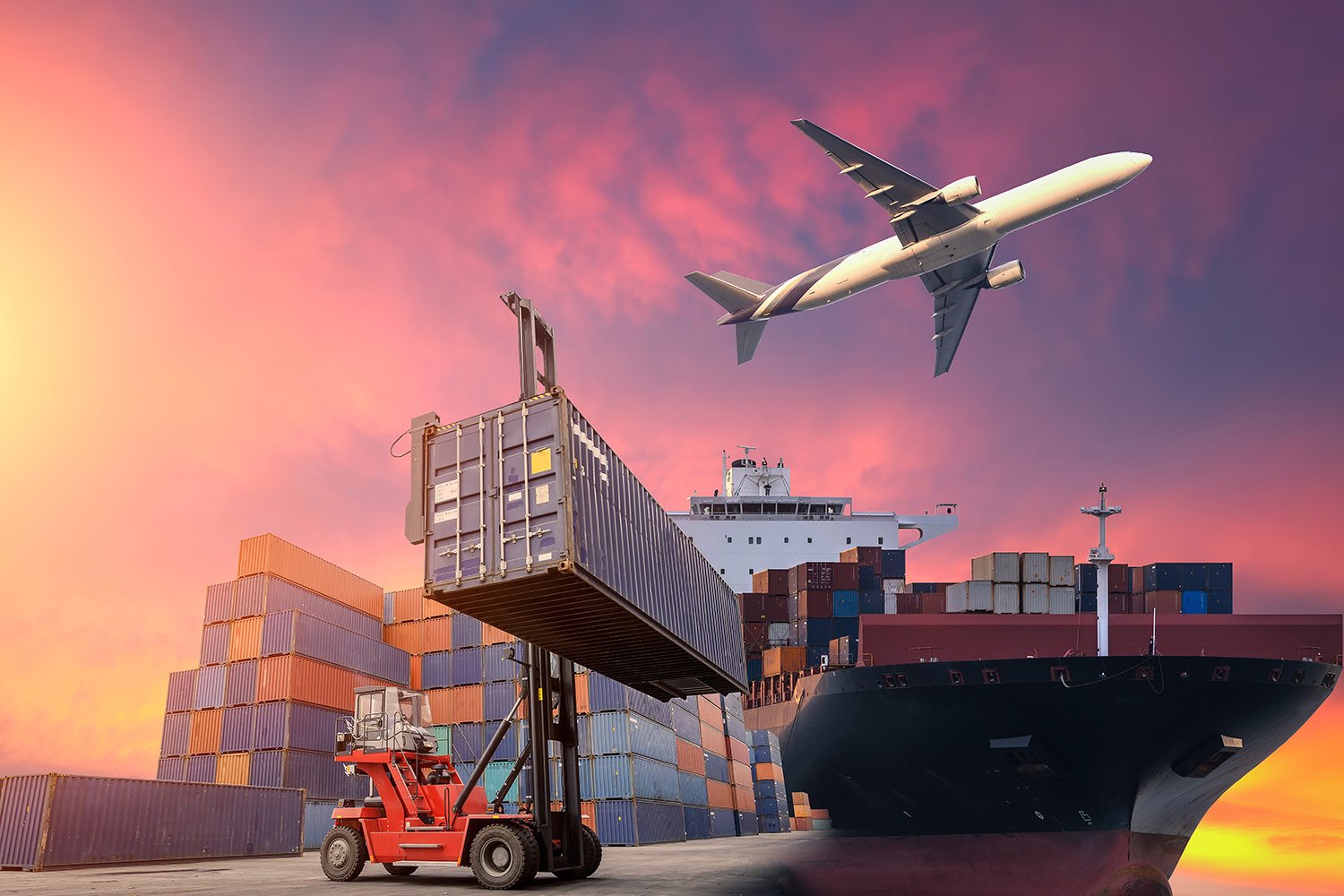
The shipping industry is undergoing a massive transformation, driven by advancements in technology, automation, and artificial intelligence (AI). These innovations are not only improving efficiency but also reshaping the way goods are transported across the globe. Here’s a closer look at how automation and AI are revolutionizing the shipping world in 2024.
1. Autonomous Ships Set to Hit the Seas
One of the most exciting developments is the rise of autonomous ships. These unmanned vessels are being designed to navigate and transport goods without the need for human intervention. Countries like Norway and Japan are at the forefront of this innovation, with autonomous ships expected to reduce costs, increase safety, and lower emissions.
By eliminating the need for large crews and optimizing fuel consumption, autonomous ships are positioned to make global shipping more efficient. Companies like Yara International and Rolls-Royce are already testing prototypes, and industry experts predict that we could see fully operational autonomous vessels within the next decade.
2. AI-Powered Route Optimization
AI is transforming route planning in ways that were unimaginable just a few years ago. By analyzing weather patterns, sea traffic, and port conditions, AI-powered algorithms can determine the most efficient shipping routes in real time. This reduces fuel consumption and cuts down on delivery times.
Major shipping companies like Maersk and CMA CGM are investing heavily in AI-driven logistics to enhance their operational efficiency. This trend is expected to lower shipping costs, improve delivery accuracy, and minimize delays caused by unforeseen circumstances such as storms or port congestion.
3. Smart Ports and Automated Terminals
As the demand for faster shipping grows, ports around the world are becoming smarter and more automated. Automated cranes, self-driving trucks, and AI-powered software are being used to unload and sort containers more quickly and accurately. Smart ports in locations like Rotterdam and Shanghai are leading the charge, reducing congestion and handling higher volumes of cargo than ever before.
These advancements not only speed up the shipping process but also make it more environmentally friendly by reducing idle times and energy consumption at ports.
4. Sustainability Initiatives in Shipping
The shipping industry has long been a major contributor to global carbon emissions, but that’s starting to change. Companies are adopting eco-friendly technologies, such as electric ships and wind-assisted propulsion systems, to reduce their environmental footprint. In addition, the International Maritime Organization (IMO) has set ambitious goals to cut shipping emissions by 50% by 2050.
Alternative fuels like liquefied natural gas (LNG), hydrogen, and biofuels are becoming increasingly popular as the industry seeks to meet these sustainability targets. In the coming years, more ships will be retrofitted or designed to run on cleaner energy sources.
5. Global Supply Chain Resilience
The COVID-19 pandemic highlighted vulnerabilities in global supply chains, but it also accelerated the adoption of new technologies to make shipping more resilient. AI and blockchain are being used to improve transparency, traceability, and communication between stakeholders in the shipping process.
By leveraging these tools, companies can better track their shipments, anticipate disruptions, and respond quickly to changes in demand. This shift towards more agile supply chains is set to make the industry more adaptable in the face of future challenges.
Conclusion
The shipping industry is evolving at an unprecedented pace, thanks to automation, AI, and sustainability initiatives. From autonomous ships to smart ports and cleaner energy solutions, these innovations are transforming how goods are transported across the globe. As we move into the future, we can expect these technologies to play an even greater role in making global shipping faster, more efficient, and environmentally responsible.
Stay tuned for more updates on how these trends are shaping the future of shipping!